Pawsome Tips: How to Potty Train Dogs Quick!
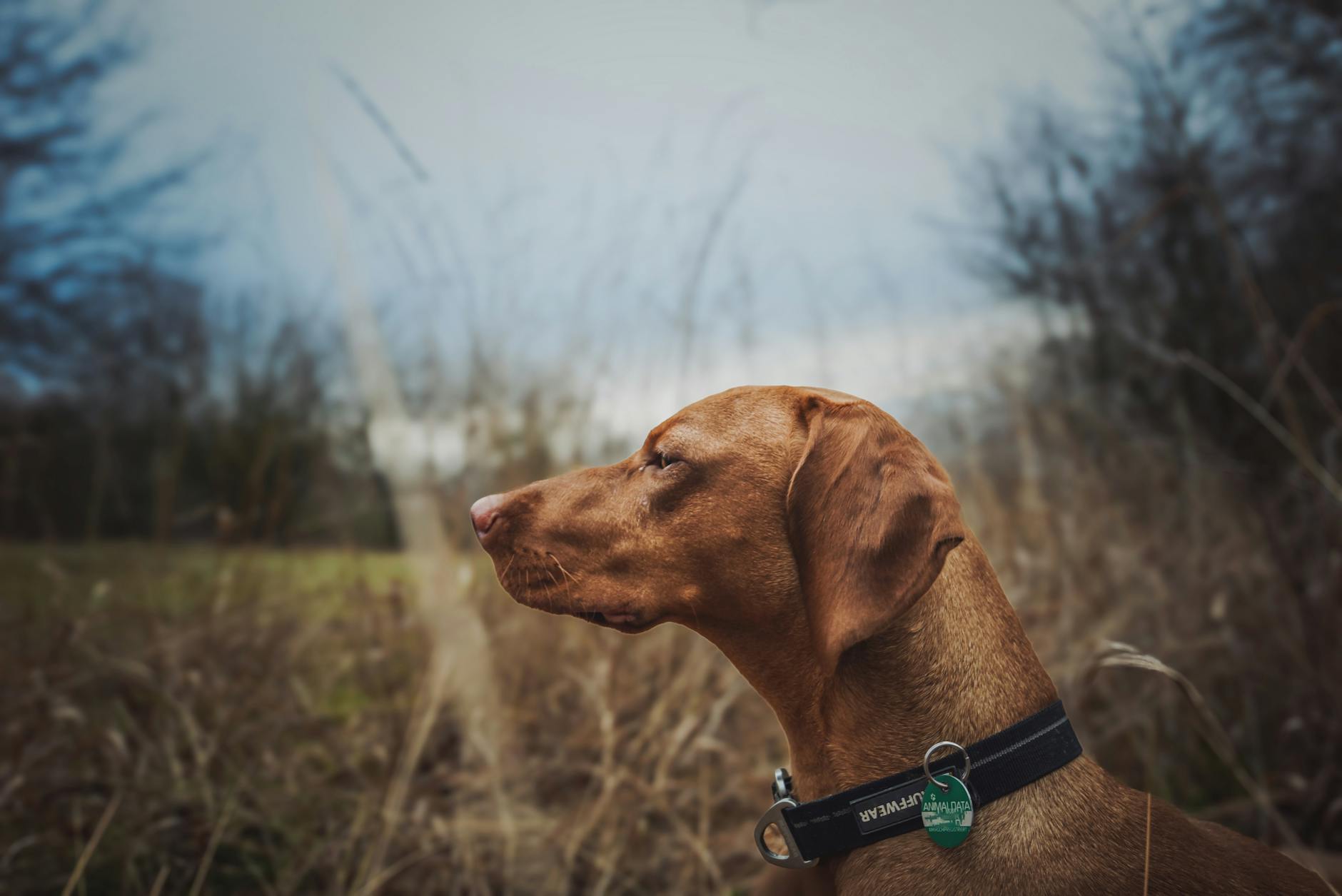
Bringing a new dog into your home is a joyous occasion, but it comes with the responsibility of proper training to ensure a happy and hygienic living environment for both you and your pup. One of the first and most pressing challenges for any dog owner is potty training. Fortunately, with the right tactics and a little patience, you can help your dog master this essential skill in no time. Follow our swift and straightforward guide to potty train your dog and maintain a clean and odor-free home with Pawsome Tips!
Understanding Your Dog's Needs
Before diving into the specifics of potty training, it's important to understand your dog's natural inclinations and biological needs. Dogs, like their wild ancestors, are typically clean animals and prefer not to eliminate where they sleep or eat. By tapping into this instinct, you can efficiently guide your dog to learn where and when to relieve themselves.
Establish a Routine
Consistency is key when it comes to potty training. Establish a regular feeding schedule and take note of your dog's natural elimination patterns. Here's a straightforward routine to get you started:
- Morning Ritual: Take your dog out first thing in the morning. Most dogs need to relieve themselves shortly after waking up.
- Post-Meal Potty Breaks: Offer your pup a potty opportunity 15–30 minutes after each meal, as eating stimulates the digestive system.
- Afternoon Adventures: Ensure your dog gets an afternoon bathroom break, especially if it is a younger pup or an active breed.
- Evening Ease: Include a potty break in your evening routine before settling down for the night.
By sticking to this schedule, you'll reinforce your dog's internal body clock, making successful potty training more likely.
Choose the Right Spot
Select a designated potty area in your yard or nearby outdoor space. Consistently taking your dog to the same spot can help them associate this location with going to the bathroom. When your dog goes potty in the correct place, reward them with treats, praise, or a favorite toy to reinforce the positive behavior.
Indoor Training
If you're in a living situation where immediate outdoor access isn't possible, or you have a puppy who can't go outside right away, consider an indoor solution:
-
Puppy Pads: Place training pads in a specific area of your home. Encourage your dog to use them, and slowly transition to outdoor training when appropriate.
-
Indoor Potty: Some pet owners find success with a dedicated indoor doggy toilet. These can simulate grass and provide a more natural-feeling spot for your dog to relieve themselves indoors.
Watch for Signals
Dogs often exhibit telltale signs when they need to go. These can include circling, sniffing, whining, or scratching at the door. Recognize these signals, and respond quickly by taking your dog to their potty area.
Patience and Praise
Always use positive reinforcement rather than punishment when your dog is learning. Accidents will happen, but it's important not to scold your dog harshly, as it could lead to anxiety and confusion. Clean up any accidents thoroughly to remove odors that might attract your dog back to the same spot.
Conclusion
Potty training your dog doesn't have to be a prolonged or frustrating process. With Pawsome Tips, you're equipped with strategies that expedite the training process, all while cultivating good habits that last a lifetime. Remember, patience, consistency, and praise are the cornerstones of quick and effective dog potty training, and before you know it, your pup will be fully house-trained, ensuring a clean, happy home for everyone involved.
Happy training!