Pup Talk 101: Ace Dog Socialization Training
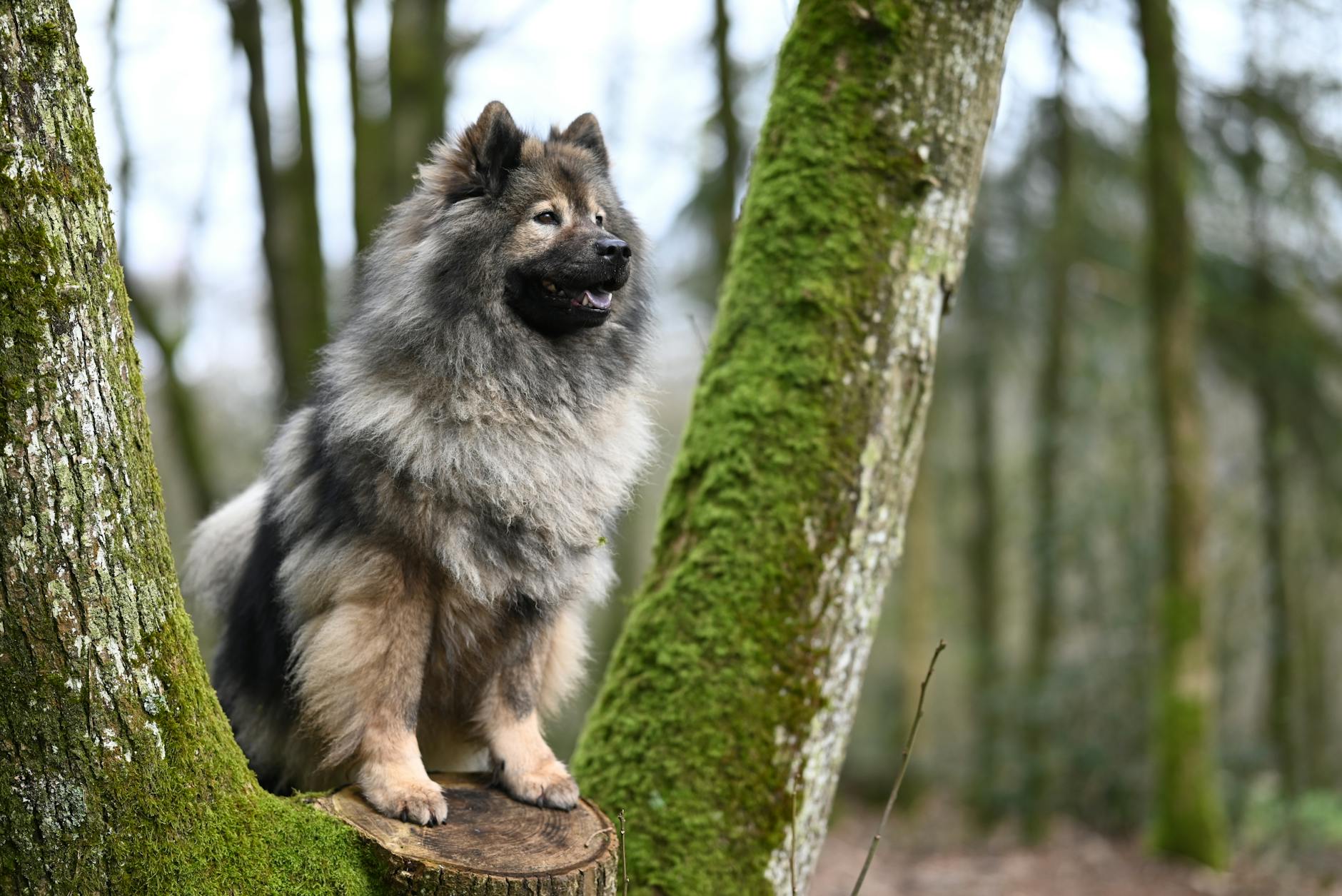
Socializing a puppy or an adult dog is a crucial aspect of responsible pet ownership. Proper socialization can lead to a better-behaved pet, fewer behavioral issues, and a more enjoyable relationship between dogs and their human companions. Pup Talk 101: Ace Dog Socialization Training is designed to guide pet owners through the process of teaching their dogs how to interact positively with other animals, people, and various environments. Here's how you can master dog socialization skills and help your furry friend become confident and well-mannered.
Understanding Dog Socialization
Dog socialization is the process of gradually introducing your pup to a variety of experiences, including different types of people, animals, places, and activities. The goal is to familiarize your dog with the world around them so they can navigate it confidently and without fear or aggression. Socialization should start as early as possible, preferably during the puppy phase, when dogs are most open to new experiences.
Why It Matters
A well-socialized dog is typically happier, more predictable, and easier to handle. Dogs that understand how to behave around other dogs and people are less likely to develop fear-based behaviors and are generally more welcomed in public spaces.
Socialization Tips and Techniques
Here are some key techniques you can use to socialize your dog effectively:
Start Early and Go Slowly
- Begin socializing your puppy from 8 to 16 weeks of age.
- Introduce new experiences gradually to avoid overwhelming your dog.
Positive Associations are Key
- Use treats, praise, and play to make socialization a positive experience.
- Avoid negative experiences, which can set back your dog's socialization progress.
Utilize Puppy Classes
- Enroll in a puppy class or training program to provide structured socialization opportunities.
- Look for classes that prioritize positive reinforcement training methods.
Expose Your Dog to Various People and Animals
- Allow your dog to meet people of different ages, sizes, and ethnicities.
- Introduce your dog to other friendly, vaccinated dogs and animals.
Explore Different Environments
- Take your dog to a variety of places, such as parks, pet stores, and on different types of streets.
- Expose them to different sounds, surfaces, and stimuli.
Consistency is Crucial
- Practice socialization regularly to reinforce positive behaviors.
- Make socialization part of your dog's daily routine.
Be Patient and Understanding
- Some dogs may take longer to socialize than others.
- Recognize your dog's comfort levels and respect their boundaries.
Handling Setbacks
- If your dog reacts negatively to a new experience, don't punish them. Instead, remove them from the situation calmly.
- Reassess your approach and try a more gradual exposure next time.
Socialization for Adult Dogs
For older dogs who missed out on early socialization, it's never too late to start. The approach is similar but may require more patience and time.
- Approach new experiences with extra care and move at the dog's pace.
- Consider enrolling in a training class designed specifically for adult dogs.
Conclusion
Socialization is a lifelong process. Continuously exposing your dog to new experiences in a controlled and positive manner helps them stay well-balanced and sociable. With the techniques from Pup Talk 101, you're on your way to having a socialized, confident, and well-mannered canine companion. Happy socializing!